Publicity
Our cutting edge technology has been featured many times in news media over the past 20 years. Here are a selection of those appearances.
Can’t find what you’re looking for?
If you know of any news articles or media appearances that we have missed, please let us know at info@gowerlabs.co.uk
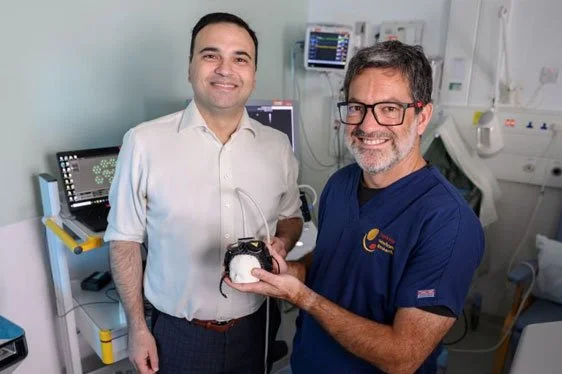
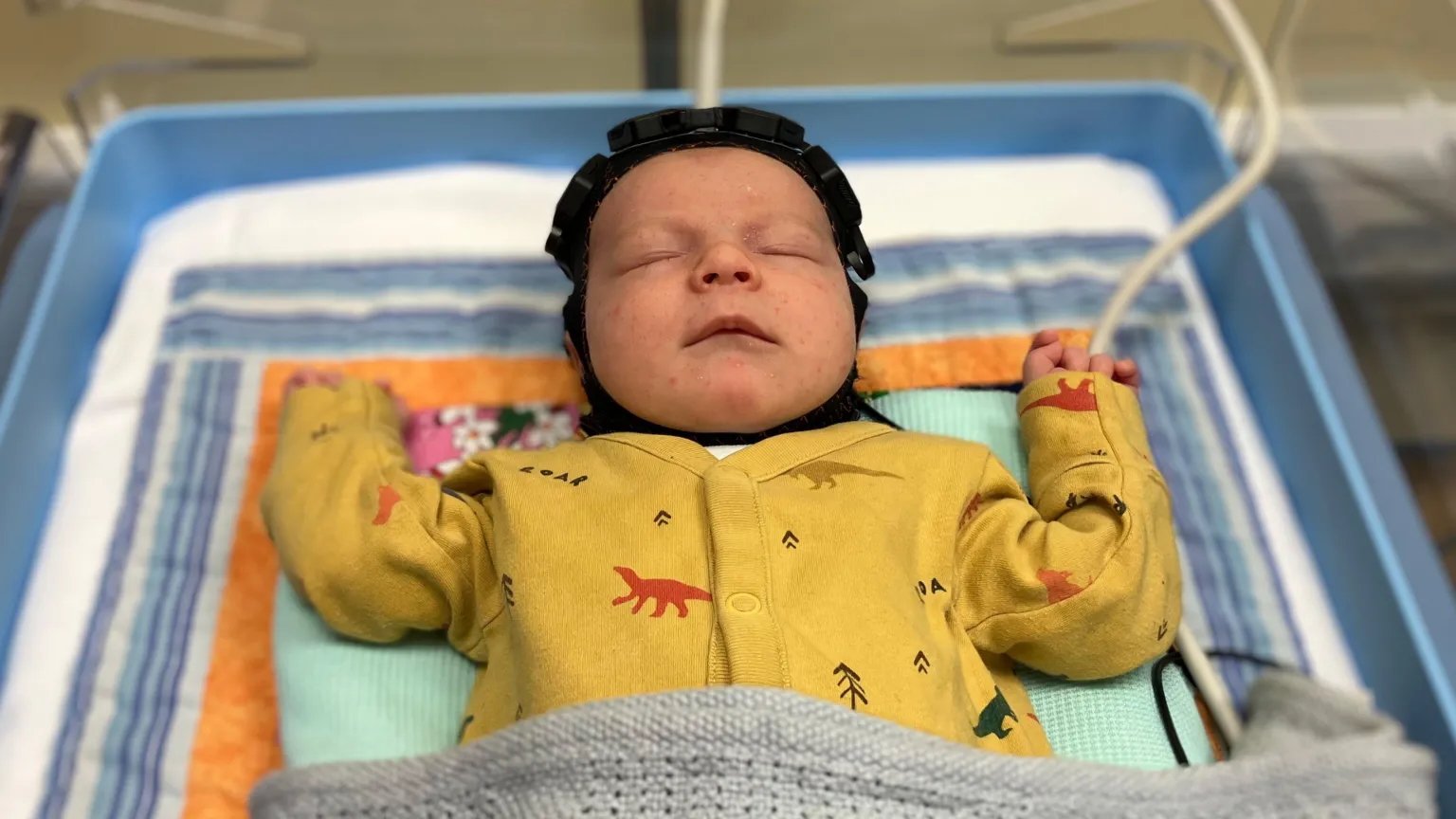
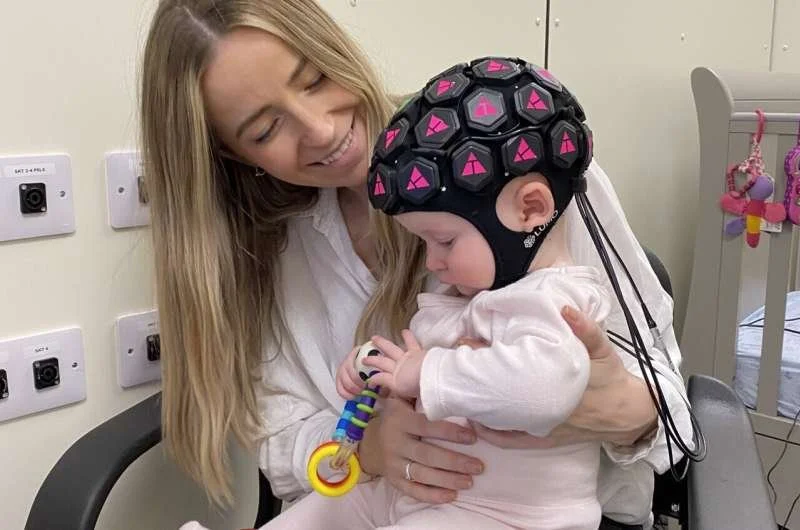
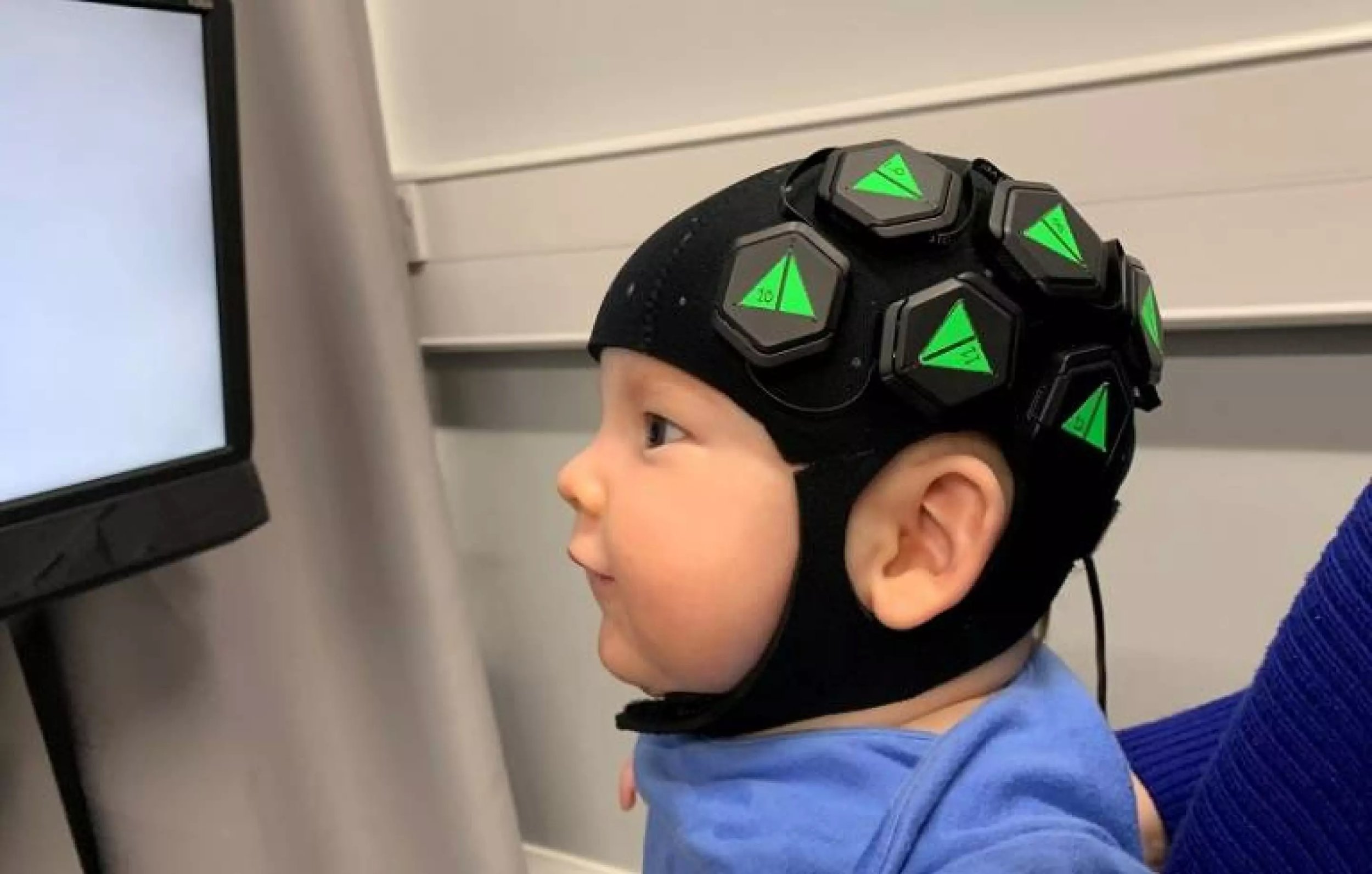
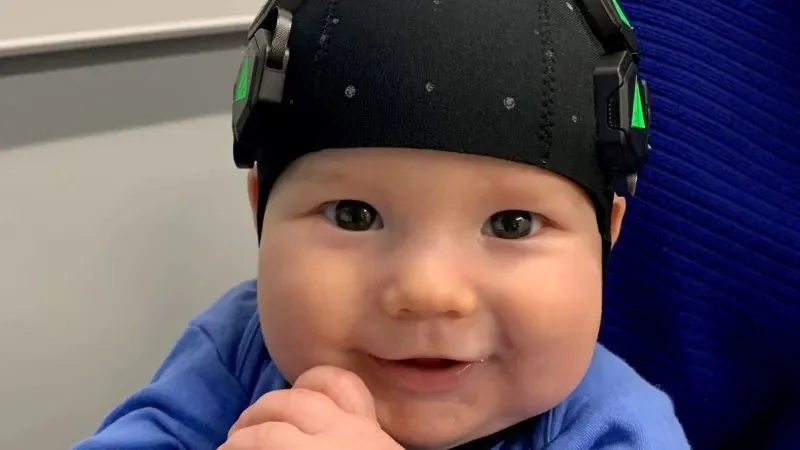
Researchers at the Rosie Maternity Hospital in Cambridge are using LUMO in groundbreaking research that could speed up diagnosis and care for children with conditions such as cerebral palsy, epilepsy and learning difficulties.
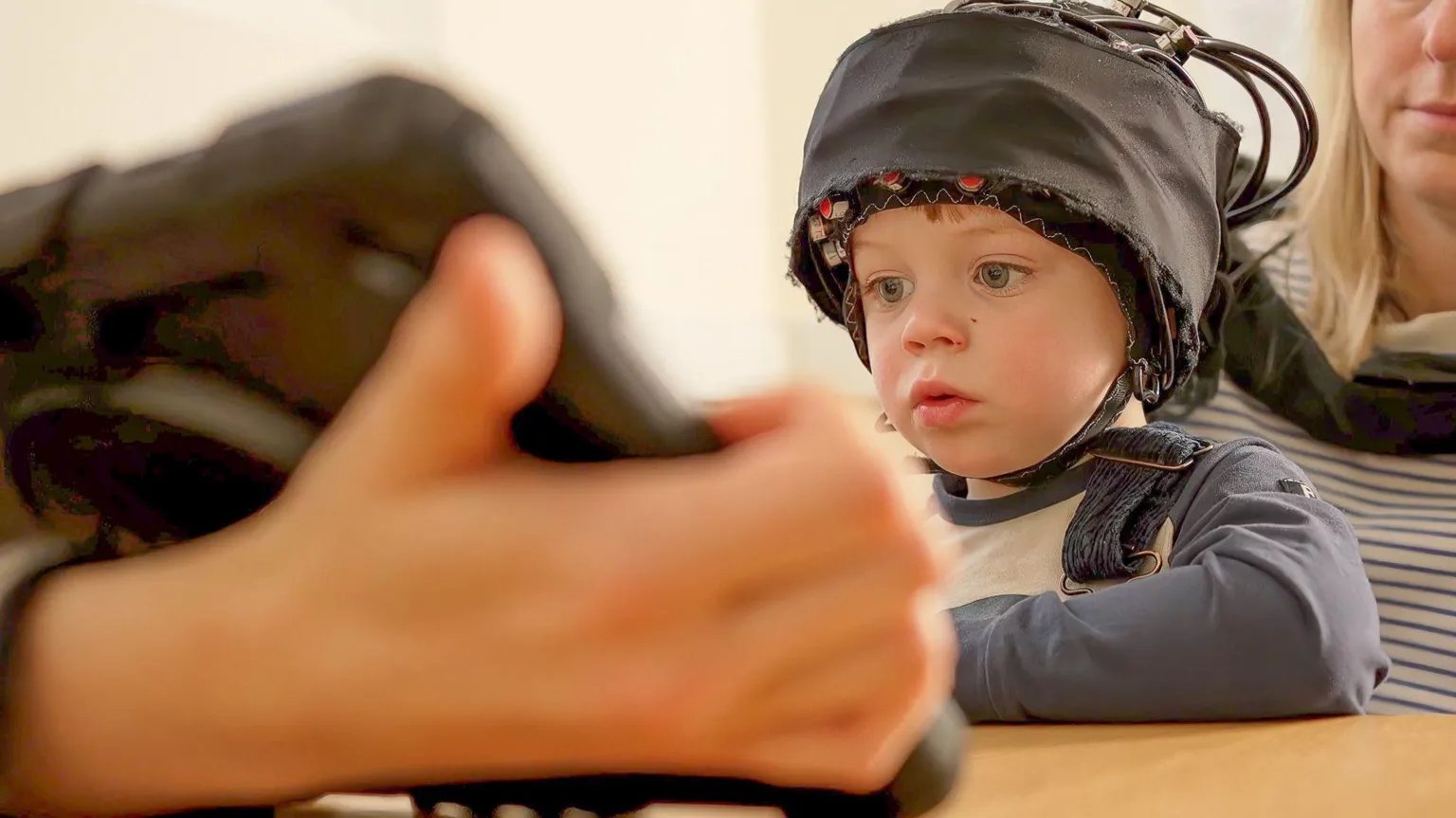
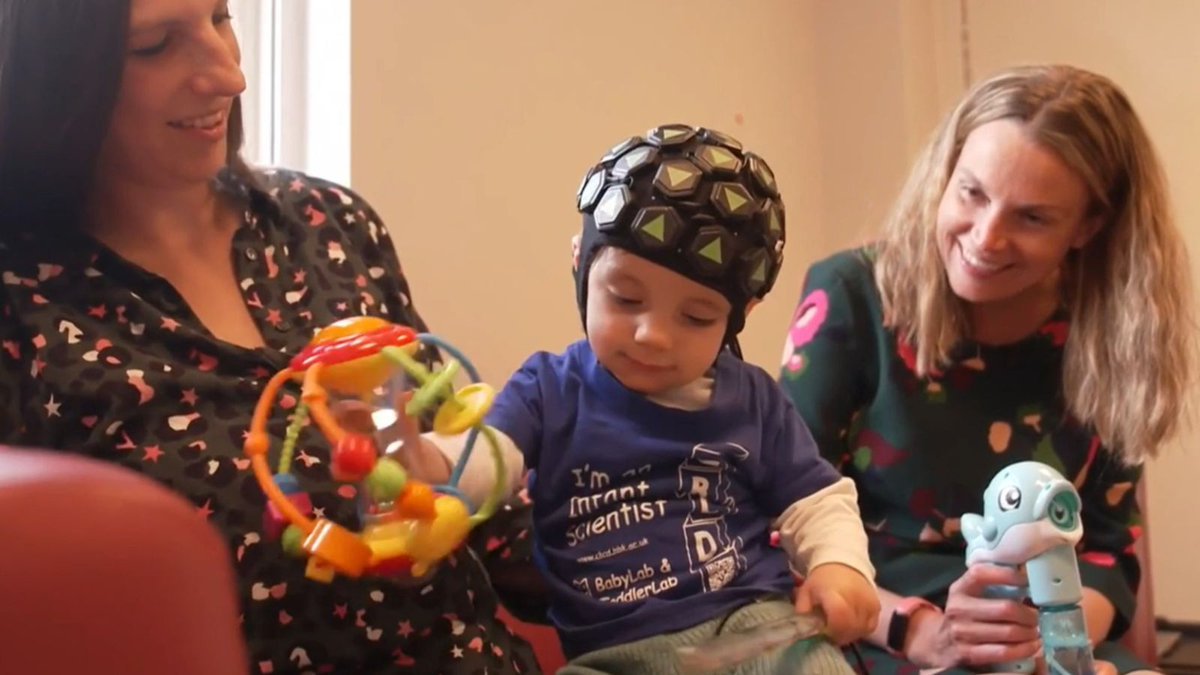
The Gowerlabs NTS system is being used in pioneering longitudinal studies at the University of Bristol, investigating how and when young children develop abilities that enable them to focus and learn.
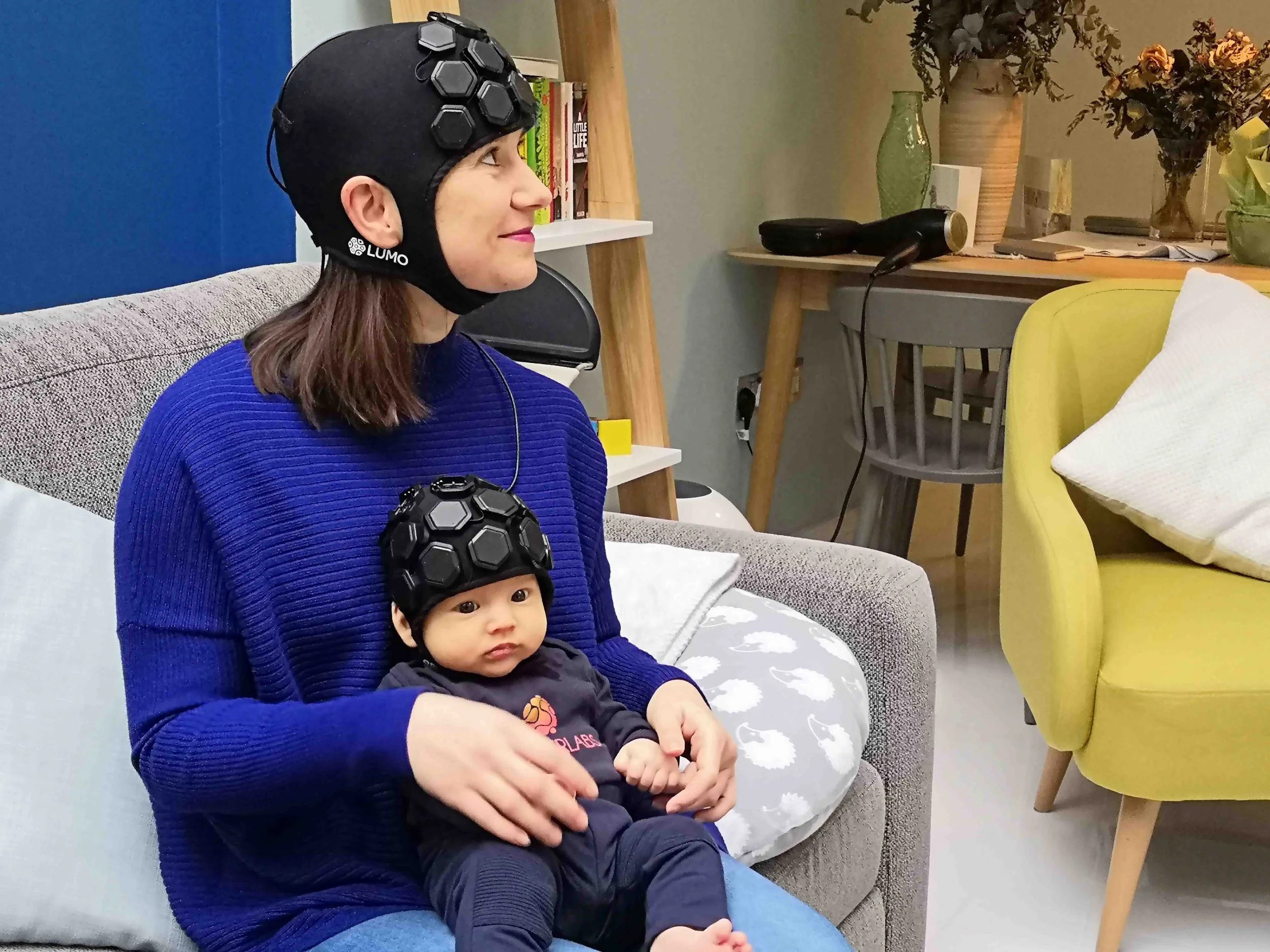
A whole head LUMO was used in groundbreaking infant research by Liam Collins-Jones and colleagues, advancing scientists understanding of social development.
Researchers at UCL used a whole-head infant LUMO system to map neural activity across the entire cortex, marking the first time that wearable technology has captured differences in activity across such a wide area of the brain in babies.
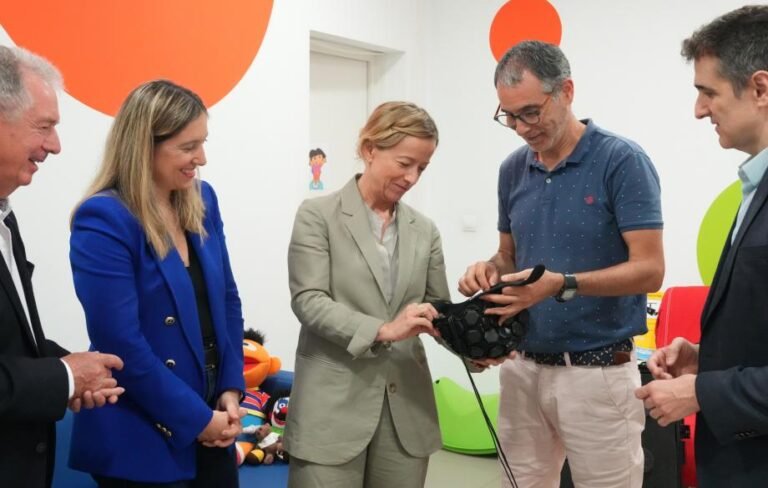
Researchers at the Basque Center on Cognition, Brain and Language in San Sebastian are using LUMO to investigate the neural processes involved in learning and language processing.
LUMO was featured in a Disruptive Thinkers video posted by the UCL Faculty of Engineering, highlighting the remarkable advances made possible because of our technology.
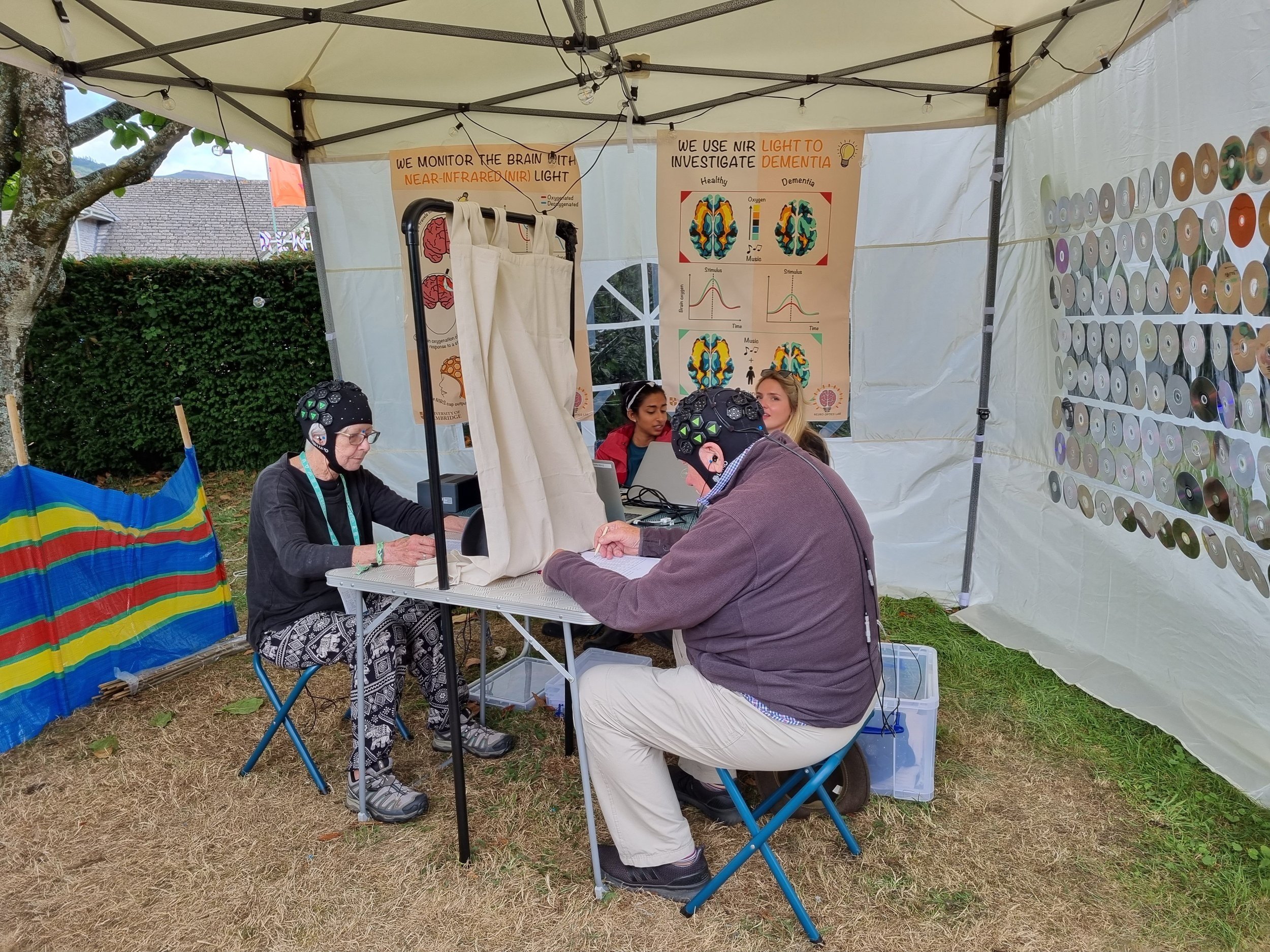
Our LUMO device was taken along to Green Man festival, where researchers from the University of Cambridge successfully collected data from 160 participants!
Gowerlabs’ LUMO device was on the cover of the Optics & Photonics April 2021 magazine, and was discussed in their main feature about advances in fNIRS technology.
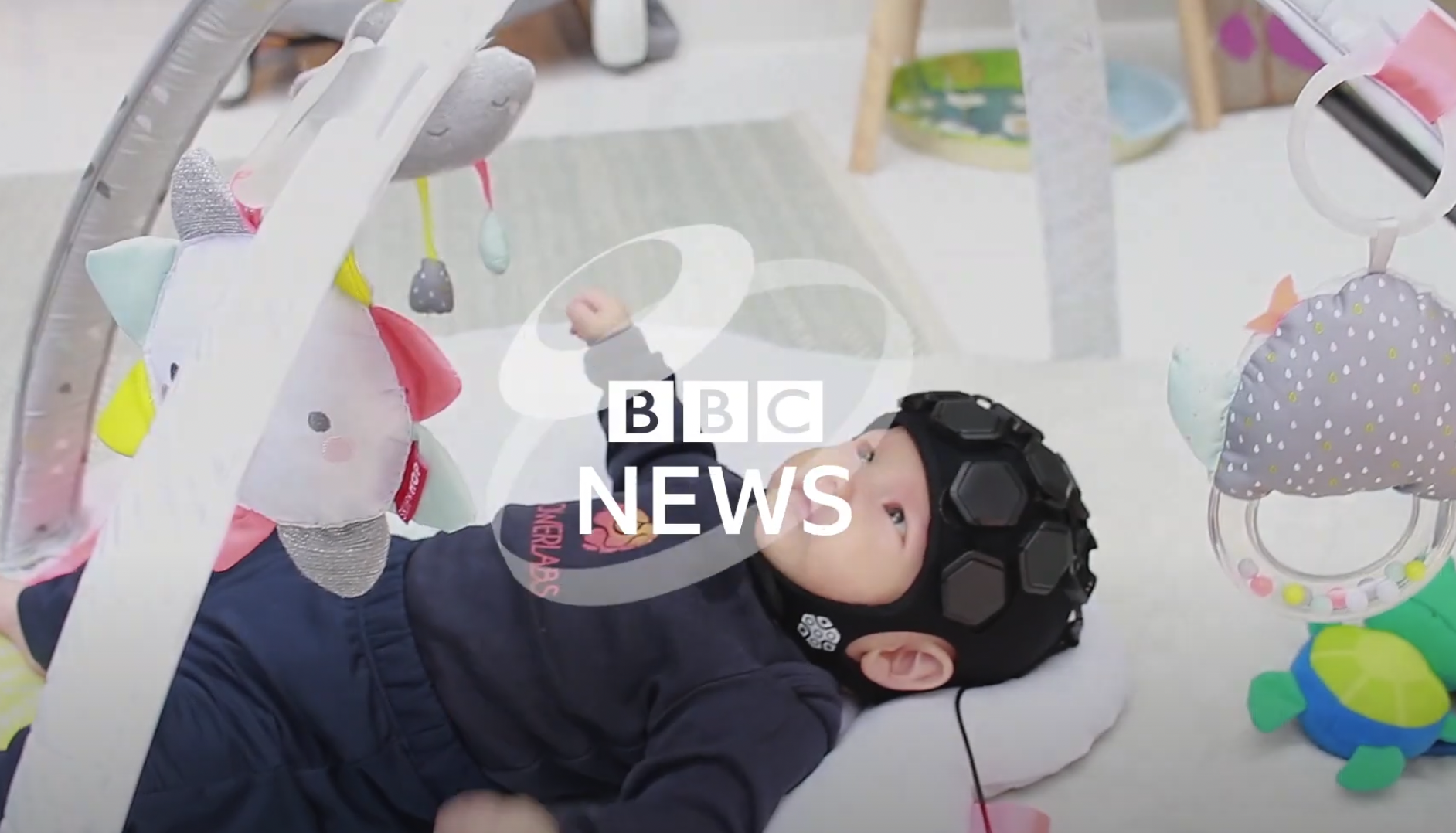
Gowerlabs’ LUMO device was promoted in a BBC World Service feature, highlighting the vast potential of fNIRS in research on infants.
Our LUMO device is featured in this article from The Engineer, which discusses the advantages of fibreless fNIRS technology.
A Gowerlabs anatomical head phantom was shown in conjunction with Facebook’s Brain-Computer Interface project, hoping to develop a noninvasive thought-typing system.
Our NTS device is part of groundbreaking research in the Gambia by Prof. Clare Elwell’s The BRIGHT Project, with funding from the Bill & Melinda Gates Foundation.
Our NTS system is featured in this article about Dr Sarah Lloyd-Fox’s pioneering research on infants using fNIRS, and the impact she has made along with her group on the technology and field as a whole.
Gowerlabs’ high-density technology has been used in pioneering research to study neonatal sensori-motor development.
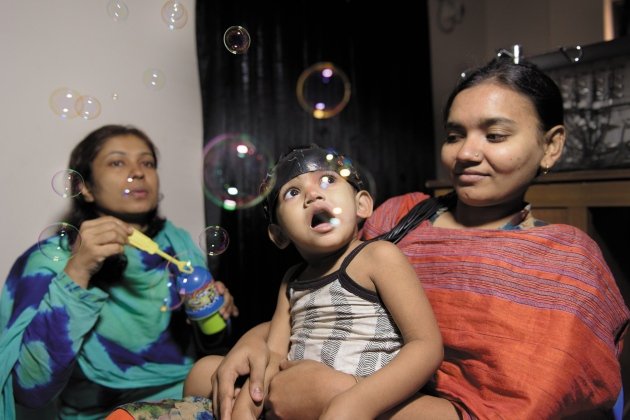
Gowerlabs’ NTS fNIRS system in Dhaka, Bangladesh, was used in one of the first studies looking at how the brains of babies and toddlers in the developing world respond to adversity.